
Why Product Content Matters And How ERP Synchronization Transforms It

Valerie
Bishop
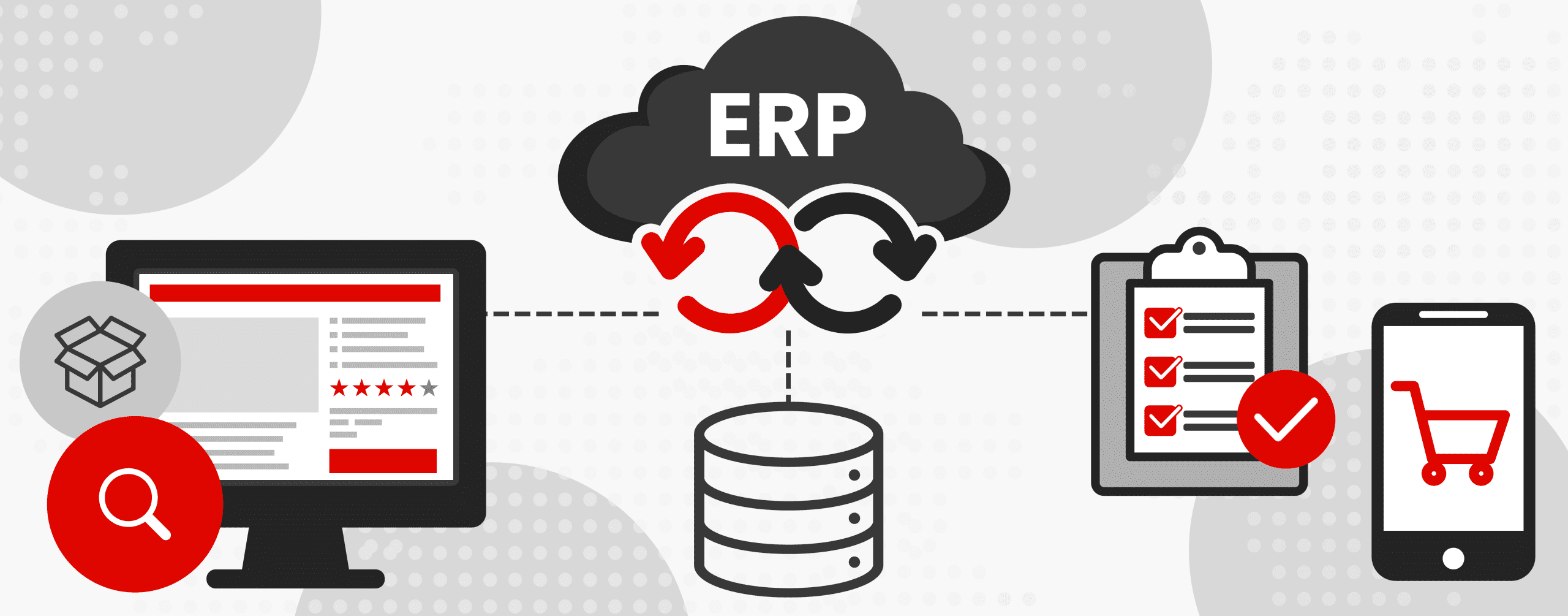
In ecommerce, product content includes everything a buyer reads or sees to understand what they’re purchasing—mainly on the product detail page but also across other channels. It’s the sum of titles, product descriptions, specs, images, videos, comparison charts and downloadable manuals.
For B2B manufacturers and distributors, product content is both operational and promotional. Every detail, from pricing and availability to technical specs and configuration options, draws directly from the ERP system to ensure accuracy across every channel. In fast-moving industries where product data like pricing and availability changes frequently, synchronized content keeps every buyer-facing detail current.
It’s easy to confuse product content with product data, but the two serve different purposes. Product data is factual and transactional: SKUs, dimensions, inventory and customer-specific pricing managed in the ERP. Product content transforms that data into a persuasive, customer-ready experience. A part number becomes a key identifier. A specification becomes proof of performance. Together, they make the digital shelf as informative and reliable as an in-person sales conversation.
For businesses running Acumatica or Microsoft Dynamics 365 Business Central, accuracy matters. Product details evolve quickly, and if content isn’t synchronized with the ERP, every channel risks showing outdated information. A single mismatch, such as a discontinued feature or incorrect price, can erode buyer trust and increase returns.
That’s why synchronized, ERP-driven product content matters. It’s more than digital copywriting; it’s the foundation of modern B2B ecommerce, where accuracy, clarity and speed directly influence conversions and customer loyalty.
- Why Product Content Matters for Ecommerce Growth
- Elements of Effective Product Content
- Best Practices for Creating Product Content That Converts
- Challenges in Managing Product Content at Scale
- How ERP Synchronization Enhances Product Content Management
- Future Trends in Product Content and ERP Synchronization
Why Product Content Matters for Ecommerce Growth
Product content shapes how customers experience your brand online. Strong content doesn’t just inform; it reassures and removes doubt before it slows a sale.
When product information is inconsistent or incomplete, the opposite happens. Mismatched descriptions or missing specs across your website, industry marketplaces or catalogs force buyers to pause or call for clarification. That hesitation costs trust, time and revenue. Each gap adds unnecessary work for sales and support teams that accurate, synchronized content could prevent.
For B2B manufacturers and distributors, trust is currency. Buyers depend on precise details like dimensions, compliance standards, and performance ratings to make informed purchases. Accurate and consistent product content across every touchpoint signals reliability. It simplifies reorders, builds loyalty and strengthens brand credibility.
ERP synchronization makes that consistency scalable. Integrating product information directly from your ERP eliminates manual updates and ensures every channel reflects the same source of truth. When the ERP is the system of record, updates such as pricing changes, discontinued SKUs or inventory adjustments appear everywhere in real time.
Synchronization doesn’t just prevent errors—it drives growth. Businesses can launch new products faster, reach additional sales channels, and manage region-specific or multilingual catalogs without duplicating effort. With reliable, ERP-driven product content, teams can focus on strategy and selling instead of maintenance.
Elements of Effective Product Content
The strongest ecommerce experiences share a common thread: rich product content. It’s the difference between a plain listing and a digital showroom that educates and builds confidence. Rich content combines text, visual, and supporting elements to deliver clarity and persuasion in one package.
Textual Elements
Every strong product page starts with clear, structured text. Product titles should include recognizable keywords and essential identifiers. Descriptions should move beyond technical attributes to explain benefits and use cases. Bullet points help readers absorb key details, while metadata supports SEO visibility.
For example, a distributor selling replacement parts can turn an ERP-fed spec such as “5/8 inch, stainless steel” into “5/8-inch stainless steel bolt designed for corrosion resistance in industrial machinery.” That bridge between data and narrative helps both search engines and human readers understand the product’s value.
Visual Elements
Visual content deepens the buying experience. Professional photography, 360° product views and videos help buyers visualize products in context. Lifestyle imagery goes further, showing how products fit into real-world environments. Many manufacturers and distributors now use AR and 3D visualization to let buyers view products in their workspace, narrowing the gap between digital and physical evaluation.
Supporting Materials
Beyond visuals and copy, effective product content includes downloadable spec sheets, manuals, assembly guides and safety data. These materials build credibility, especially for technical or high-value products. When available directly on the product page, they reduce friction and support purchasing decisions without extra steps.
ERP Synchronization in Action
ERP integration ensures that all these elements—titles, descriptions, specs and supporting assets—stay current. For businesses running Acumatica, Microsoft Dynamics 365 Business Central or Microsoft Dynamics GP, ERP-integrated product content means updates flow directly from the source. When prices, part numbers or dimensions change, the connected content updates automatically across your ecommerce platform and sales channels.
That synchronization keeps your digital storefront aligned with reality, protecting buyers from surprises and your team from preventable errors. With automated product content updates, marketing can focus on creative messaging while the ERP ensures data accuracy behind the scenes.
Best Practices for Creating Product Content That Converts
Creating effective product content is both an art and a system. It requires balancing ERP-fed precision with persuasive storytelling. The goal isn’t only accuracy but making products feel essential to the buyer’s work.
1. Start with Buyer Personas
Every strong product content strategy begins with understanding your audience. Manufacturing and distribution buyers often have specific roles—purchasing manager, operations lead or technician—and care about different details. A buyer persona helps map motivations and pain points so product content resonates.
2. Balance Technical and Persuasive Language
ERP systems handle product information, but persuasive messaging gives that data meaning. Combine ERP-synced details such as dimensions or materials with real-world benefits: “built to withstand corrosion in high-moisture environments.”
3. Integrate SEO Thoughtfully
Strong product marketing uses SEO strategically, not mechanically. Each product page should include relevant keywords naturally in titles, descriptions and metadata. Search engines favor clarity and relevance, the same qualities buyers value.
4. Use Scalable Frameworks
When managing large catalogs, consistency is everything. Develop templates for product descriptions and visuals so every listing feels part of a unified catalog. Scalable product content management makes new product launches faster and easier.
5. Automate Where Possible
Manual content updates consume time and invite errors. With ERP synchronization, product content automation ensures details like price, stock level and specs flow seamlessly into your store. Marketing teams can focus on storytelling instead of data entry.
6. Test and Iterate
Track how different formats perform. Compare bullet points to paragraphs or technical videos to lifestyle photography. Analytics will reveal what drives conversions and lowers returns. Build on what works and refine continuously.
Challenges in Managing Product Content at Scale
As catalogs grow, maintaining consistent, accurate content becomes more complex. Each product includes dozens of data points, and any one of them can change.
1. Fragmented Data Sources
Many distributors still rely on disconnected systems: ERP for pricing, spreadsheets for inventory, shared drives for images. This fragmentation creates manual work and makes cross-channel product content consistency nearly impossible.
2. Manual Updates and Human Error
When updates are handled manually, mistakes multiply. A misplaced digit in a price or SKU can cause serious issues. Outdated product descriptions or unavailable items on a product page frustrate customers and erode trust. An integrated ERP with real-time product content automatically synchronizes every listing, keeping each one accurate and up to date.
3. Channel Complexity
Selling across multiple channels compounds the challenge. A product might appear on your ecommerce store, a distributor’s portal and a marketplace, each with unique formatting or compliance needs. Without centralized management, consistency is difficult to maintain.
4. The Cost of Inconsistency
Inconsistent product information has real consequences. Customers return items because specifications didn’t match. Sales teams spend hours answering preventable questions. Brand credibility suffers.
An ERP product content synchronization strategy eliminates these pitfalls by establishing a single source of truth. Accurate, up-to-date information flows automatically across all connected systems, building efficiency and trust at scale.
How ERP Synchronization Enhances Product Content Management
ERP synchronization changes how businesses create, manage and distribute product content. It replaces fragmented workflows with a single, integrated ecosystem that keeps every channel aligned.
The ERP as the Core System of Record
In modern ecommerce operations, the ERP is the operational hub. It stores key product data such as pricing, inventory levels, dimensions and part numbers. When platforms like k-ecommerce connect directly to ERPs, that data becomes the foundation for ERP integrated product content.
Eliminating Mismatches
ERP synchronization ensures every storefront, marketplace or customer portal displays accurate, current information. Buyers never see outdated prices or unavailable products. Marketing, sales and operations all work from the same source, reducing rework and confusion.
Empowering Every Department
Marketing relies on accurate specs to craft messages. Sales uses them to quote confidently. Operations spends less time fixing data errors. ERP-driven product content creates alignment and efficiency across the organization.
Benefits for SMBs and Enterprises
For small to midsized businesses, automation reduces administrative overhead. For larger enterprises, scalable product content management ensures governance and consistency across global markets.
Built-In Resilience
In industries where product details change frequently—new models, seasonal lines or supplier adjustments—ERP synchronization keeps everything stable. Automated product content updates ensure every touchpoint reflects reality, helping businesses go to market faster and maintain buyer confidence.
Future Trends in Product Content and ERP Synchronization
The next phase of ecommerce will be defined by automation, intelligence and personalization, with product content management at the center.
AI-Driven Product Creation
Artificial intelligence is transforming how descriptions, videos and visuals are produced. Machine learning tools can analyze ERP-fed product data to create tailored content at scale, helping B2B sellers manage thousands of SKUs efficiently.
Seamless Automation Pipelines
Tomorrow’s leaders will adopt automation-first synchronization that connects ERP, PIM and ecommerce systems into a continuous pipeline. As soon as an attribute changes in the ERP, the update cascades across all digital platforms automatically.
Immersive Product Experiences
Expect more interactive content such as AR, VR and 3D modeling built directly into ecommerce product pages. Buyers will explore products virtually, view scale models and test fitment in their workspace, bridging the gap between digital and physical evaluation.
Real-Time Expectations
Buyers now expect real-time product content updates that reflect current pricing and stock. ERP synchronization is the only scalable way to meet this demand without overwhelming internal teams.
Unified Content Strategies
As sales channels multiply, maintaining a unified product content strategy becomes essential. Businesses will need centralized tools to ensure every channel—website, app, marketplace or partner portal—tells the same story, powered by ERP truth.
In ecommerce, product content is more than information. It’s the language of trust. It shapes how buyers perceive your products, expertise and reliability. Without synchronization, managing this content at scale becomes a struggle of errors and inefficiency.
ERP synchronization solves that challenge. It delivers centralized product information, ensures cross-channel product content consistency and keeps your catalog accurate across every platform. The result is a stronger brand, a smoother buying experience and a foundation for growth.
For manufacturers and distributors using Acumatica or Microsoft Dynamics ERPs, k-ecommerce makes this possible. Its seamless ERP integration supports omnichannel product content delivery, automates updates and creates the infrastructure for sustainable expansion.
Learn more about how ERP integration drives growth by exploring k-ecommerce’s platform, key strategies for selling direct to consumers and B2B ecommerce personalization.