
The Benefits of B2B Ecommerce for Modern Businesses

Valerie
Bishop
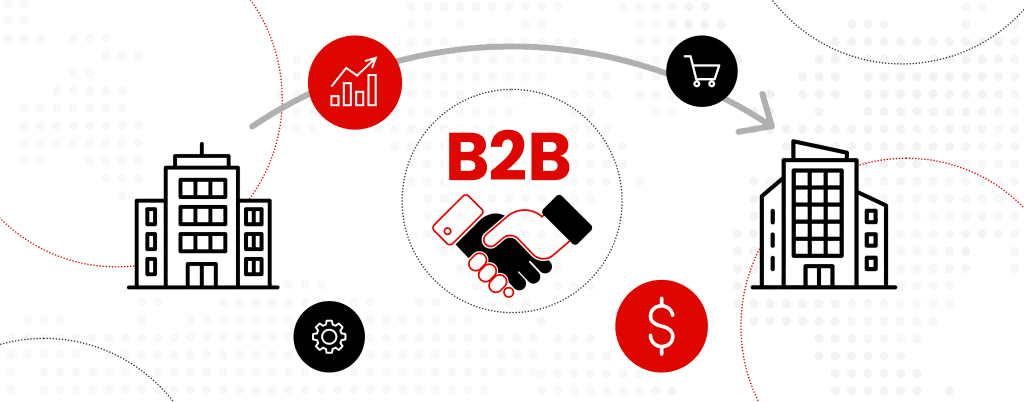
In a rapidly digitizing economy, B2B ecommerce has evolved from a competitive advantage to a business necessity. As more organizations shift to digital-first models, understanding the advantages of B2B ecommerce becomes critical.
This guide explores how B2B ecommerce platforms support growth, streamline operations, and enhance customer relationships—laying the groundwork for scalable success across industries.
- Introduction to B2B Ecommerce
- 10 Key Benefits of B2B Ecommerce
- Enhancing Customer Experience Through Ecommerce
- B2B Ecommerce and ERP Integration
- Cost and Resource Efficiency in B2B Ecommerce
- Scalability and Future-Proofing Your Business
- Empowering Sales and Customer Teams
- Competitive Advantage in a Digital Economy
- Why B2B Ecommerce is the Future of Business
Introduction to B2B Ecommerce
More than a tool, B2B ecommerce is a transformational strategy. As the demand for flexible, scalable, and efficient solutions increases, businesses are embracing digital sales channels to meet customer expectations and outpace competitors. This introduces the core principles of how B2B ecommerce helps businesses transition from traditional workflows to dynamic, digital-first ecosystems.
What is B2B ecommerce, and how does it differ from traditional B2B sales models?
B2B ecommerce refers to the digital process of businesses buying and selling products or services through online platforms. Unlike legacy methods—such as phone orders, mailed catalogs, or manual invoices—B2B ecommerce platforms support digital self-service, streamlined transactions, and real-time inventory visibility. And unlike B2C online shopping, which typically involves individual consumers making smaller, one-time purchases, B2B ecommerce is designed to accommodate bulk orders, higher transaction values, and long-term account-based relationships.
It’s no longer sufficient for B2B businesses to rely solely on in-person meetings or emailed purchase orders. In an increasingly fast-paced digital economy, buyers expect speed, transparency, and efficiency.
Why are more businesses adopting digital-first sales approaches?
Today’s B2B buyers expect the same convenience and personalization they experience as consumers. With digital-first strategies, businesses meet rising expectations, boost efficiency and stay competitive. Digital tools simplify bulk ordering, offer 24/7 access, and eliminate friction in the buyer journey. For many companies, adopting B2B ecommerce is also a response to increased pressure to modernize sales pipelines and provide omnichannel experiences.
How has the evolution of technology reshaped B2B buyer expectations?
Modern B2B commerce now mirrors many features of B2C ecommerce, including product filtering, rich media content, and seamless checkout. As digital transformation accelerates, businesses that adapt to online-first models enjoy better engagement and longer customer retention cycles. Buyers now expect digital catalogs with real-time pricing, customer-specific recommendations, mobile access, and flexible payment options.
Learn more about the benefits of B2B ecommerce for manufacturers.
10 Key Benefits of B2B Ecommerce
When businesses embrace digital sales channels, they unlock a wide range of strategic advantages that traditional methods can’t match. The following ten points outline the advantages of B2B ecommerce, from expanding your customer base to improving internal operations. Each benefit contributes to stronger relationships, smarter processes, and scalable ecommerce business growth across industries.
1. Expanded Customer Reach
Digital storefronts allow businesses to reach customers globally, regardless of time zones. A B2B company can serve new regions without opening local offices, making it easier to test new markets and scale internationally. The always-on nature of ecommerce helps businesses stay connected with clients in every region, offering multilingual support, local currency options, and automated order processing features.
2. Improved Sales and Revenue
B2B ecommerce drives sales growth through features like upselling, cross-selling, and automated promotions. Subscription models and personalized recommendations further contribute to long-term revenue. Smart product bundles, targeted email marketing, and AI-driven merchandising can increase average order value while improving conversion rates. These tools not only support recurring revenue models, but they also reveal how B2B ecommerce helps businesses boost ROI without overburdening their sales teams.
3. Operational Efficiency
Self-service ordering reduces sales rep workload, while automated invoicing and payment tools minimize errors and administrative overhead. In addition, B2B ecommerce automation tools free internal resources to focus on growth initiatives rather than managing repeat orders, handling manual data entry, or resolving common billing issues. Operational upgrades are a major reason companies are prioritizing benefits of ERP integrated ecommerce, which eliminates inefficiencies and supports sustainable digital transformation.
4. Real-Time Inventory and Pricing
Integration with ERP systems ensures customers always see accurate inventory counts and pricing tailored to their account—critical for avoiding overselling and pricing disputes. This transparency builds buyer confidence and supports more efficient reorder planning, which benefits both the buyer and seller. With real-time syncing, this level of transparency reinforces trust, especially for manufacturers or wholesalers managing complex product catalogs—making it a key B2B ecommerce benefit for manufacturers.
5. Personalized Experiences
Custom catalogs, client-specific discounts, and user-based permissions create tailored interactions that boost customer satisfaction and long-term loyalty. Account-based pricing, personalized landing pages, and targeted promotions make buyers feel understood and valued, increasing retention. These features combine to create a truly personalized ecommerce experience, allowing businesses to deepen customer loyalty while simplifying account management for sales teams.
6. Faster Fulfillment and Delivery
Automation shortens order processing time. ERP syncs help manage shipping preferences, track packages, and reduce delivery delays. Integrated systems also allow businesses to automate back-in-stock alerts and send proactive delivery updates. Timely fulfillment is especially important in industries with complex supply chains, such as wholesale distribution. This is one of the most valuable B2B ecommerce benefits for distributors, who must meet demand quickly and reliably.
7. Lower Overhead Costs
Going digital minimizes the need for printed catalogs, manual labor, and call center support, significantly reducing sales and marketing expenses. With fewer touchpoints required for order confirmation and status updates, ecommerce platforms enable businesses to operate leaner without sacrificing service quality. With fewer manual tasks and less paperwork, these savings can be reinvested into sales enablement, marketing, or technology—delivering even greater value over time, particularly in ecommerce for wholesalers.
8. Data-Driven Insights
Built-in analytics tools surface insights about popular products, average order value, and abandoned carts, guiding future business decisions. Custom dashboards can also highlight seasonal trends, regional sales differences, and product performance across buyer segments—enabling smarter forecasting and merchandising decisions.
9. Increased Scalability
B2B ecommerce solutions support larger catalogs, higher transaction volumes, and more customer segments without requiring equivalent staffing increases. Whether handling five thousand or fifty thousand SKUs, platforms can be optimized for performance and automation to handle spikes in demand, especially during seasonal surges or new product launches. The ability to expand rapidly while keeping internal costs stable is essential for growing firms. Choosing a multi-channel ecommerce platform makes it easier to serve diverse buyer needs while staying lean and responsive.
10. Competitive Advantage
Companies adopting B2B ecommerce gain an edge by meeting buyer expectations. Those delaying digital transformation risk losing business to more agile competitors. A robust digital presence signals innovation, responsiveness, and a commitment to service excellence—differentiating your brand in crowded markets. In a digital economy where speed and personalization are key, embracing these capabilities shows you’re serious about innovation and future-proofing your brand.
Enhancing Customer Experience Through Ecommerce
Intuitive interfaces, advanced search tools, and mobile responsiveness improve the B2B customer experience. Buyers can find products quickly, explore alternatives, and complete transactions without contacting a sales rep. Search history, saved preferences, and user-specific dashboards create a sense of continuity that increases order accuracy and customer confidence.
How do self-service tools and digital convenience shape modern expectations?
Tools like reordering, saved carts, and quote generators give buyers autonomy. Live inventory checks and instant confirmations minimize frustration and build trust. These conveniences reduce order errors, speed up purchasing decisions, and allow buyers to work within their own schedules.
Why does user experience matter as much in B2B as in B2C?
Even in B2B, decision-makers expect seamless, personalized journeys. Poor UX results in cart abandonment or lost clients. Competitive platforms prioritize customer satisfaction to differentiate. A frictionless experience is now a baseline expectation that affects brand perception and long-term loyalty.
Explore the value of a dedicated B2B customer portal.
B2B Ecommerce and ERP Integration
For manufacturers, distributors, and other B2B organizations, unified systems reduce complexity, improve accuracy, and provide the visibility needed to support high-volume, fast-moving environments. Real-time synchronization, streamlined workflows, and enhanced decision-making power make it an ideal solution for modern ecommerce for manufacturers and distributors.
How does ERP integration enhance the effectiveness of a B2B ecommerce platform?
ERP-integrated ecommerce synchronizes product data, order history, customer records, and shipping details in real time. This streamlines workflows and reduces duplication. The end result is fewer errors, faster order fulfillment, and better financial reconciliation.
What processes benefit most from real-time ERP sync?
Order entry, pricing updates, inventory management, and shipping notifications all benefit from live synchronization, ensuring accuracy across departments. Sales teams have immediate access to up-to-date data, allowing them to make more informed recommendations and decisions.
What are the long-term advantages of unified systems?
ERP ecommerce integration creates a single source of truth, boosts response time, and lowers operational risk—key to scalable digital growth. It also supports deeper data analysis, enabling better reporting on sales trends, customer behavior, and operational KPIs.
Learn more about investing in an ERP ecommerce solution.
Cost and Resource Efficiency in B2B Ecommerce
One of the most immediate wins of B2B ecommerce adoption is cost reduction. Digital platforms eliminate manual inefficiencies, reduce resource strain, and allow teams to do more with less. Whether you’re a growing manufacturer or a high-volume distributor, these tools support smarter operations and faster decision-making.
How does ecommerce reduce operational and sales costs?
Automation eliminates many manual tasks—reducing costs tied to order processing, phone-based sales, and printed materials. Real-time digital invoices and automated approval flows cut labor and paper waste.
How can ecommerce free up staff to focus on higher-value tasks?
When customers can serve themselves, sales and support teams gain time for consultative selling and strategic client engagement. Sales professionals can prioritize relationship management, while operations can focus on quality control and process improvement.
What are examples of measurable ROI from digital transformation?
Companies using ecommerce often see reduced cost-per-order, faster sales cycles, and improved customer retention. Integrated tools also provide ROI through clearer performance tracking. For example, one study from Forrester shows that businesses implementing integrated ecommerce solutions can realize ROI of up to 300% within three years.
Read more on the cost of building an ecommerce platform.
Scalability and Future-Proofing Your Business
As businesses grow, they need systems that scale with them—without disrupting workflows or inflating overhead. A well-chosen multi-channel ecommerce platform supports rapid expansion, simplifies management across sales channels, and reduces the operational burden of growth.
How does ecommerce help companies scale without major operational changes?
Modern platforms handle growing SKUs, new customer segments, and seasonal peaks without additional infrastructure or headcount. With robust automation and built-in flexibility, ecommerce systems allow businesses to scale predictably and efficiently.
What makes a digital-first model more resilient to market changes?
Businesses with strong ecommerce setups can quickly shift strategies, add products, or enter new markets—critical during disruptions or demand spikes. Ecommerce platforms enable experimentation with pricing models, promotions, and channel-specific campaigns without the cost of major restructuring.
How does ecommerce enable future growth?
Scalable systems allow for integration with new technologies (AI, IoT, blockchain), ensuring long-term adaptability. This flexibility positions businesses to meet future expectations and stay ahead of B2B ecommerce trends in an increasingly tech-driven world.
Empowering Sales and Customer Teams
While much of the focus on ecommerce centers on the buyer experience, its impact on internal teams is just as significant. By reducing administrative overhead and centralizing data access, ecommerce platforms help sales and support staff work more efficiently and strategically.
How does B2B ecommerce support internal teams beyond the customer experience?
Ecommerce platforms enable sales teams to deliver better service using up-to-date data and self-service options. This helps eliminate data silos and supports more cohesive collaboration across sales, operations, and customer service departments.
How do sales reps and customer service benefit from ecommerce automation?
With routine queries offloaded, reps can focus on relationship-building, account strategy, and upselling. Customer service teams can concentrate on escalated issues that require a human touch, rather than being bogged down with order status updates.
How does ecommerce shift the role of sales teams toward higher-value tasks?
Less time is spent quoting or taking orders. More time is spent on strategic activities that grow revenue. This shift boosts morale, improves productivity, and aligns team efforts with broader business goals.
Discover how ERP-integrated payment solutions boost internal collaboration.
Competitive Advantage in a Digital Economy
In the modern B2B landscape, digital capabilities are no longer optional—they’re expected. Businesses that invest in robust ecommerce platforms stand out as innovative, responsive, and easy to work with.
Why is having a digital sales channel now a baseline expectation?
Today’s buyers demand instant access, visibility, and speed. A robust ecommerce platform signals credibility and readiness to meet these expectations. Without it, businesses risk being perceived as outdated or difficult to work with.
How can ecommerce differentiate a business in a crowded market?
Digital-first brands offer streamlined experiences, clear communication, and faster service—critical differentiators for busy B2B buyers. In many industries, buyers will abandon a supplier that lacks real-time availability, transparent pricing, or simple digital checkout.
What are the risks of delaying ecommerce adoption?
Firms slow to adopt digital risk obsolescence, customer churn, and lower market share. Competitors with ecommerce capabilities are positioned to respond faster, scale quicker, and adapt more easily.
Explore more B2B best practices.
Why B2B Ecommerce is the Future of Business
From increasing efficiency to enhancing the buyer experience, B2B ecommerce offers unmatched value for modern organizations. As traditional sales models struggle to keep up with shifting expectations, ecommerce emerges as the most effective path forward.
What are the overarching takeaways from adopting B2B ecommerce?
Adopting B2B ecommerce improves customer experiences, boosts operational efficiency, and drives long-term growth. It’s not just about adding a webstore—it’s about reimagining how you do business digitally.
How can ecommerce support long-term business goals?
Through scalability, automation, and integrated systems, businesses are better equipped to handle growth and complexity. Ecommerce facilitates data-driven decision-making and cross-functional collaboration—critical for aligning marketing, sales, and operations.
Why is now the right time to invest in digital infrastructure?
The market is moving quickly. ERP-integrated ecommerce provides the speed, accuracy, and personalization modern buyers expect. It ensures your systems are future-ready, improves resiliency, and opens the door to new revenue streams.
If you’re ready to start or enhance your B2B ecommerce strategy and performance, schedule a demo with k-ecommerce today! Our solution integrates seamlessly with the top ERPs, enabling your business to sell more, get paid faster, and offer your customers a pain-free customer experience.